It’s no exaggeration to say that Thang Long Imperial Citadel encapsulates the essence of 1,000 years of architecture and history of Thang Long – Hanoi. This was the capital of four major Vietnamese dynasties: the Ly, Tran, Le, and Mac.
Interestingly, the site consists of four overlapping archaeological layers. Many ancient relics are still being unearthed here, and visitors can witness the excavation process firsthand. In 2010, the Thang Long Imperial Citadel was recognized by UNESCO as a World Cultural Heritage Site. The entire complex covers over 18,000 hectares, with several preserved structures including: Doan Mon Gate, Hau Lau (Princess’ Residence), and Kinh Thien Palace.
- Address: 19C Hoang Dieu Street – Ba Dinh District – Hanoi
There are many other famous attractions nearby that you can combine into your trip, such as the One Pillar Pagoda, the Temple of Literature, and Tran Quoc Pagoda. You can also take a walk around West Lake after visiting the Thang Long Citadel.
- Ticket price: 100,000 VND
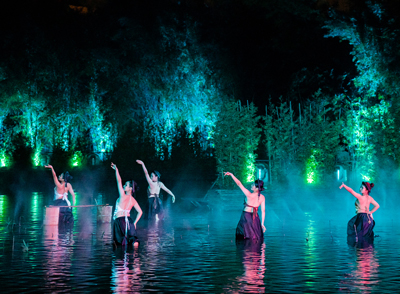
Opening hours: 8:00 AM – 5:00 PM daily. The ticket price applies to both local and international visitors. You are free to explore the site at your own pace during open hours. For the night tour, a separate ticket is required at 300,000 VND. Though limited to 90 minutes, this tour offers a unique and atmospheric perspective on the site.
>> Hanoi Flag Tower
What to See at Thang Long Imperial Citadel
Thang Long Imperial Citadel is an extensive heritage complex, originally built in the 11th century during the Ly Dynasty and expanded through the Tran, Le, and Nguyen Dynasties. It served as the political, military, and cultural center of Dai Viet (Vietnam) for over 1,000 years.
>> What to See & Do at Hoan Kiem Lake Hanoi?
Traditional materials such as fired bricks, greenstone, and curved-tile roofs were used, combined with ancient Vietnamese construction techniques.
- Doan Mon Gate
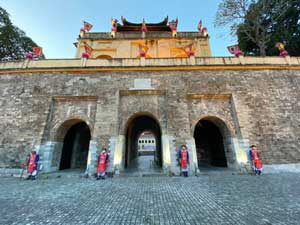
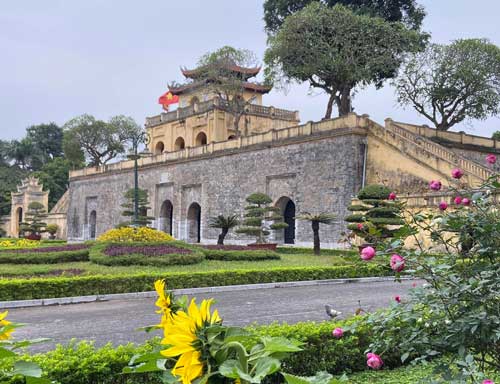
The main southern gate leading into the ancient Forbidden City. Built of stone and brick with five arched entrances, it was a ceremonial gate for royal processions during the feudal era.
- Kinh Thien Palace
Located at the heart of the citadel, this was where Le Dynasty kings held royal court. Though only the foundation, dragon steps, and stone relics remain, the area retains its grandeur. The dragon-carved steps are a masterpiece of early Le Dynasty sculpture.
- Hau Lau (Princess' Residence)
This multi-storey building behind Kinh Thien Palace was used as royal quarters for princesses and concubines during the Nguyen Dynasty. It was later repurposed as a military command bunker during the Vietnam War.
- Bac Mon – North Gate
One of the five remaining gates of the old Nguyen-era Hanoi Citadel. The gate still bears French cannonball marks – physical proof of Vietnam’s heroic resistance.
- 18 Hoang Dieu Archaeological Site
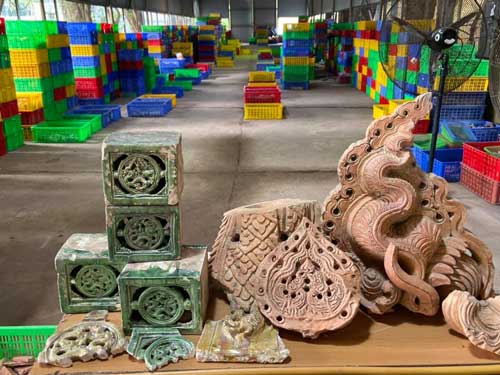
Located directly across from the citadel, this site has yielded thousands of artifacts, decorative bricks, and ancient foundations from the Ly, Tran, and Le Dynasties. It is considered a “living museum” of ancient Vietnamese architecture.
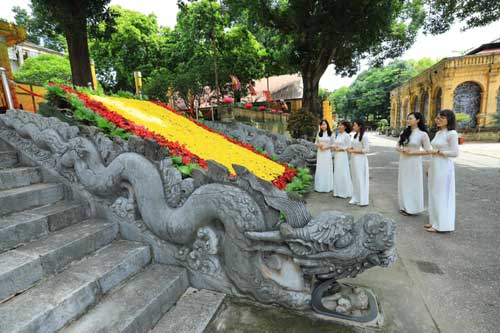
Besides sightseeing, you can rent traditional Vietnamese costumes for unique photos with the citadel as your backdrop. Recommended photo spots include Doan Mon Gate, Hau Lau, and the Dragon Steps of Kinh Thien Palace.
Top Attractions Near Thang Long Imperial Citadel
There are several fascinating places around the citadel that you should explore:
>> St. Joseph Cathedral Hanoi
- 1. Hanoi Flag Tower
Just a short walk from the citadel, located on Nguyen Tri Phuong Street. This 33-meter-high tower, built in 1812 for military use, is topped with the national flag. Visitors can climb to the top for panoramic views.
- 2. Vietnam Military History Museum
Right next to the Flag Tower, this museum showcases thousands of war artifacts, weapons, and historical photos. Outdoor exhibits include tanks and aircraft—great for history enthusiasts.
- 3. One Pillar Pagoda
About 500 meters from the citadel. This unique lotus-shaped pagoda was originally built in 1049 under the Ly Dynasty. The current structure is a reconstruction, as the original was destroyed by the French before their withdrawal from Hanoi.
- 4. Ho Chi Minh Mausoleum
A 10-minute walk from the citadel. This is the final resting place of Vietnam’s great leader. Nearby are the Presidential Palace, Ho Chi Minh’s Stilt House, and his fish pond—all worth visiting.
- 5. Temple of Literature – Vietnam’s First University
Located about 1km away. This temple honors scholars and Confucian values, featuring the famous stone steles engraved with the names of ancient doctorate holders.
- 6. Vietnam Fine Arts Museum
Opposite the Temple of Literature. Exhibits include traditional and modern artworks—paintings, sculptures, lacquer works, silk art—in a peaceful setting ideal for art lovers.
- 7. West Lake (Ho Tay)
Roughly 2km (10-minute drive) from the citadel. The largest natural lake in Hanoi, known for its scenic beauty and romantic ambiance. Great for walking, cycling, or relaxing at lakeside cafes. You’ll also find iconic local snacks here, such as West Lake shrimp cakes.
- 8. Tran Quoc Pagoda
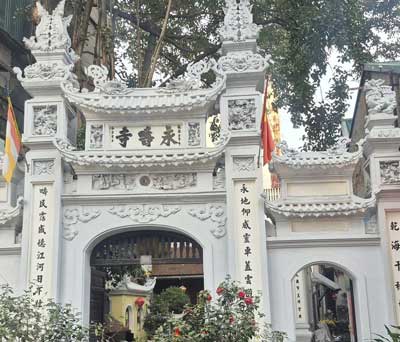
Located on a small peninsula on the eastern side of West Lake, about 2.5 km from the citadel. Over 1,500 years old, it is Hanoi’s oldest and most sacred Buddhist temple, featuring a serene setting and 11-tier stupa.
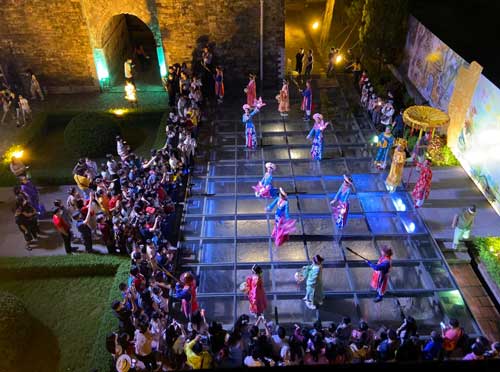
Thang Long Imperial Citadel is not only a historical monument but also the cultural heart of Vietnam’s millennia-old civilization. Visiting this site allows you to experience the profound legacy and enduring spirit of the Vietnamese people, passed down through countless generations.

Tác giả
Temple of Literature, a proud historical architectural work of Hanoi in particular and Vietnam in general